
OCD Related Disorders
Health and Illness Anxiety
Illness Anxiety Disorder is a psychiatric condition sometimes also called health anxiety. Illness Anxiety Disorder involves a preoccupation with fears of harboring a severe physical disease. People with Illness Anxiety Disorder persist in their preoccupation despite repeated medical evaluation and reassurance, personal distress, and interference with work or relationships. For a diagnosis, symptoms must last at least six months, but for most patients, symptoms last two years or more.
Although people with Illness Anxiety Disorder rarely have the condition they fear, it is not to be confused with disorders in which an individual intentionally fakes a physical illnesses for attention or to avoid punishment (malingering).
Common Symptoms of Illness Anxiety Disorder
People with Illness Anxiety Disorder may have the following symptoms:
- Excessive worry about having a severe physical disease.
- Preoccupation with bodily functions, sensations, or performance.
- Obsessive rumination with intrusive thoughts about condition.
- Ideas and fears of having an illness that cannot be easily stopped.
- Extreme suggestibility, for example a person may become alarmed at the slightest hint of illness, or even from reading about a disease, knowing someone who becomes sick, etc
- Obsessions with medical information. For example, the person may read medical books or journals, watch television programs about health or medicine, be preoccupied in news about health, etc.
- Unrealistic fears of being infected or contaminated by something touched, something eaten, or contact with another person.
- Excessive health-preserving behavior, for example eating only certain health food (orthorexia), intensive exercise, or overdoing things to keep fit.
- Fear of taking prescribed medication.

- Over-focus on the possible cause of symptoms. For example the patient needs an explanation for the symptoms and is more concerned about the meaning of the symptoms than the distress they cause.
Body Dysmorphic Disorder
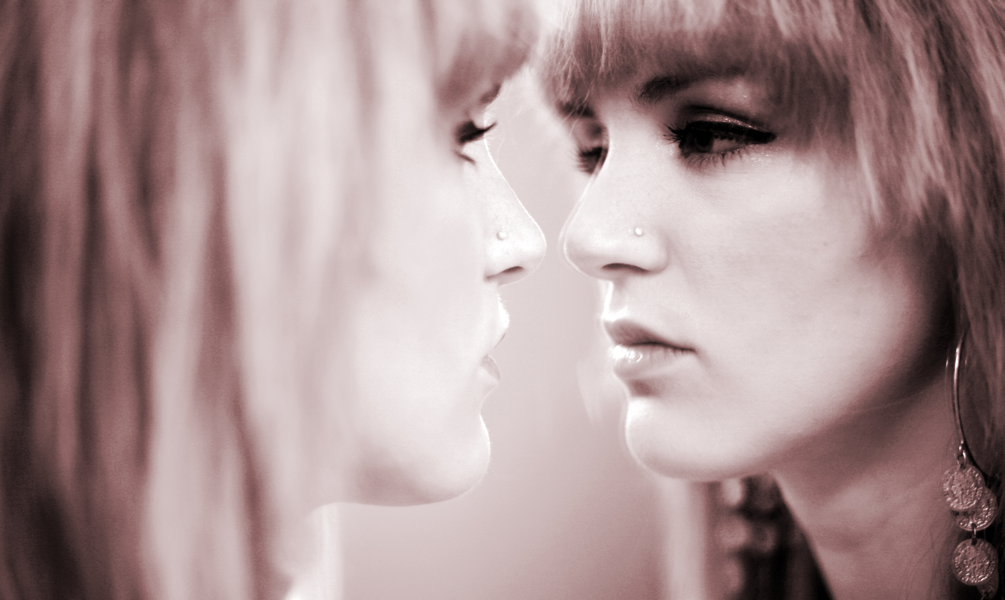
Body dysmorphic disorder (BDD), an upsetting and debilitating preoccupation over a defect in a person’s appearance, although usually the defect is very slight or even imagined. BDD often gets in the way of work, school, and relationships, leading to a poor quality of life. Sometimes the distress is so intense that people with BDD become suicidal.
There are many similarities between BDD and both obsessive-compulsive disorder (OCD) and eating disorders. The preoccupations in BDD are intrusive, repetitive, distressing, and difficult to control or resist, just like obsessions in OCD. In addition, BDD preoccupations are usually accompanied by anxiety and followed by repetitive behaviors, such as mirror checking, asking for reassurance, and skin picking — all of which can be considered compulsions. People with BDD also tend to have symmetry concerns, perfectionism, and avoidances. Unlike people with OCD, those with BDD are usually more convinced that their underlying belief (e.g., “I am ugly and deformed”) is really true. Like people with eating disorders, they are more likely to think others agree with their belief, less willing to consider that their belief is unreasonable, and less likely to recognize that their belief is related to a mental disorder.
What Causes BDD?
Researchers have identified a familial relationship between BDD, and other “OC Spectrum Disorders,” such as OCD, skin picking, nail biting, and trichotillomania (compulsive hair-pulling), suggesting that these disorders are related. There is a strong genetic contribution to the development of the disorder. However, there is also a large cultural component, due to the excessive emphasis placed on appearance in the media and society in general. People with BDD tend to be perfectionistic of themselves and self-critical.
Hoarding Disorder
Hoarding disorder is the excessive collection and retention of any materials to the point that it interferes with day-to-day functioning and creates a hazard or potential hazard for the individual or others. Hoarding frequently develops into a vicious cycle whereby individuals almost literally become trapped in their own homes due to the sheer amount of clutter that typically amasses. This excess clutter often results in both decreased mobility within the home as well as decreased utility of the home itself. Characteristics of hoarding are:
- Difficulty discarding
- Clutter
- Excessive acquisition
Hoarding behaviors are chronic, begin very early in life. and tend to worsen over the years. It is estimated that 2%-5% of the population are hoarders.
Impact of hoarding
Hoarding hinders one’s occupation and social life. Family and friends have little desire to come to the home of a hoarder because of the excessive clutter and horrible living conditions. Or, more typically, hoarders will not allow others to visit and may create excuses to prevent people from visiting. Romantic relationships are not possible as most people do not want to do date someone who lives in clutter and chaos.
Hoarding can cause fatal falls, especially in older adults, poor sanitation, an inability to eat in the home, and serious health risks from infestation. Hoarders typically suffer from strained relationships with family and friends because of the hoarding. Family members of people who hoard cannot invite friends over as they may be embarrassed by the clutter. Romantic relationships and daily life activities are significantly impaired because of the hoarding.
People with hoarding disorder also may experience threats from authorities (police, health department officials, landlords) who will demand the hoarding behaviors stop because of health risks. Hoarding can be so severe that adults can lose custody of children. They can also be faced with eviction.
Hoarders may not have working appliance or washroom facilities. In severe cases appliances are not functional and water and electricity may be shut off.
Hoarding can increase the risk of death from house fires. Stacked and cluttered possessions can block exits and doorways used to flee a fire. A 10-year review of residential fires in Victoria, Australia revealed that hoarding residences accounted for 24% of all fire related fatalities.
Examples of hoarding behaviors
Not being able to throw away old items that are obviously trash. One the other hand hoarders also clutter their living spaces with non-trash items. It is common to find new, never worn clothing. Some homes are full of new things that have never been removed from original packaging or still have attached price tags. Hoarders have piles mixed with trash and new things so their saving is not restricted to trash items. Showers and ovens may be sacrificed for extra storage space, or the passenger and backseats of a car may be unusable due to clutter
Why do People Hoard?
People with hoarding disorder give the same reasons for saving items that non-hoarders do. The huge difference between hoarders and non hoarders is the volume and variety of saving.
- Emotional attachment to an object associated with a significant person, place, event, or time
- Items are saved for their usefulness
- People who hoard feel guilt for not using up or wasting an item when it can be used later
- This is the strongest predictor of hoarding severity. Hoarders sometimes insist they can get rid of items if they want, but progress in getting rid of items is slow and usually new items are still being acquired.
- Fear of losing important information
- People who hoard feel guilt for not using up or wasting an item when it can be used later
- Genetics may play a role – Hoarding tends to run in families
Difference between Hoarding Disorder and OCD
The thoughts that are associated with Hoarding Disorder and OCD are different:
Hoarding
- thoughts are a part of person’s everyday normal stream of thought
- thoughts are not repetitive
- thoughts are not distressing or unpleasant
- there is no urge to get rid of clutter
- no urge to perform a ritual to control the thoughts
- distress is brought on by the prospect of having to discard possessions
- hoarders experience positive emotions when they acquire objects
- grief is felt when an attempt is made to discard objects
- hoarders have less insight about their problem than do OCD patients
OCD
- thoughts are intrusive and repetitive
- there is a compulsion to perform a ritual to gain control
- anxiety and distress accompany OCD
- OCD symptoms go through peaks and valleys
- OCD patients can be more insightful about the OCD symptoms
Hair-Pulling Disorder (Trichotillomania)
Symptoms of Hair-Pulling Disorder
People with Hair-Pulling Disorder (also called trichotillomania or TTM) have strong urges to pull hair from their scalp, eyelashes, eyebrows, pubic area, or elsewhere on their bodies. People with Hair-Pulling Disorder may pull out thousands of strands of hair every month, anywhere from 10 to 500 hairs a day. Most people with Hair-Pulling Disorder feel a great deal of shame around their condition, regardless of the location of the hair pulling.
Hair-Pulling Disorder is not the same as Obsessive-Compulsive Disorder (OCD), although they both involve repetitive behaviors and some people have both conditions. The typical onset of Hair-Pulling Disorder is between the ages of 9-13, although this behavior had been observed in small children and even infants.
Why do people compulsively pull their hair?
Hair-Pulling Disorder involves repetitive hair pulling, resulting in noticeable hair loss. People suffering from Hair-Pulling Disorder often report experiencing a mounting tension or urge to pull and a sense of relief or pleasure after pulling. The scalp is the most common site in adults and in youth, however pulling may occur at any hair site including eyebrows, eyelashes, legs, arms and pubic areas. However, sometimes people pull hair without awareness. Pulling may be either focused and intentional in response to emotional cues (such as stress or relationship problems), or it may occur without the person realizing, such as during sedentary tasks (i.e., watching T.V. or reading).

Is compulsive hair pulling harmful?
Hair-Pulling Disorder can be harmful because it can interfere with social relationships, making people unwilling to go out in public or start dating relationships. This is because chronic hair pulling can result in embarrassing bald spots or complete loss of hair. Ongoing pulling can cause weakening of the root bed, resulting in a permanent change of hair texture or permanent bald spots. Some people ingest their hair, which can cause intestinal problems or even the formation of dangerous trichobezoars that get stuck in the digestive system and require medical intervention to resolve.
Treatment for Hair-Pulling Disorder
Several adult studies and more recent child and adolescent studies highlight the social and functional problems associated with chronic hair-pulling. The best treatment is Habit Reversal Therapy (HRT), a form of behavioral therapy proven to effectively treat Hair-Pulling Disorder. This treatment retrains the client’s response to the urge or sensation to pull their hair. The program begins by developing awareness of the pulling habit itself. Many people suffering from Hair-Pulling Disorder experience an urge to pull or a tense sensation just before pulling. The initial component of the program aims to bring this preliminary urge or sensation to consciousness. This is often accomplished through self-monitoring and record keeping. Clients may even be asked to save the hair (e.g., put it in an envelope) and bring it to session to monitor progress, if they are willing to do so.
Some fidget toys can also be used as tools to help combat the urges to pull hair.
Excoriation Disorder
Compulsive Skin-Picking is Also Called Dermatillomania. Excoriation Disorder is also called compulsive skin-picking, a body-focused repetitive behavior that results in the destruction of one’s own skin. The face is usually the main target of skin picking, but compulsive skin-picking may involve any part of the body, often fingers, hands, and nails. Skin picking is a form of self-mutilation that can be quite serious, as people who suffer from Excoriation Disorder may experience bleeding, bruises, infections, scarring or even permanent damage to the skin. The behavior is often unconscious, and people with this compulsion may have difficulty stopping because they are often unaware of their actions.
What Causes Compulsive Skin Picking?
- Self soothing: When stressed, many people feel a need for self-soothing and find they feel better when they pick. Skin-picking has a kind of soothing effect on their nervous systems, and reduces over stimulation.
- Stimulation: On the other hand, when people are bored or inactive, skin-picking may provide a needed level of stimulation for the nervous system. It may help keep a person alert or awake when they would otherwise become bored or distracted.
- Perfectionism: Skin-pickers may stand for hours in front of mirrors closely examining their faces or other body areas for the tiniest irregularity and then try to fix it, in hopes of achieving a perfect complexion. Paradoxically, the skin-pickers always end up looking much worse in spite of their efforts, as a result of the damage that they do to themselves in the relentless pursuit of perfectionism.
Treatment for Excoriation Disorder
Medication: The medications mainly used to treat skin-picking are the same group as those used for OCD, including antidepressants (SSRIs). Drugs that help skin-picking may take several weeks before they start working. They also may not work well. Usually, 65 percent improvement from a medication is considered a good result. Medication should never be considered an end in itself, but a tool to help with therapy.
Natural Remedies: Some people benefit from the B-vitamin inositol, which seems to reduce the urge to pull or pick. It is broken down by the body into two neurotransmitters that enhance the activity of serotonin in the brain. Serotonin is a brain transmitter that may be implicated in OCD and related disorders.
Psychotherapy: Cognitive-behavior therapy has been studied as a means of treating skin-picking and related disorders. Therapy may involve several different techniques, outlined below:
- Habit Reversal Training (HRT) is a four-step process which teaches the person with how to relax, how to breathe and feel centered, and to perform muscle response exercises. HRT includes self-monitoring and stimulus control (described below) and social support.
- Self-Monitoring is simply making the person with Excoriation Disorder more aware of their behaviors. As the behavior can often be unconscious, awareness can be improved by simply keeping a log of picking behaviors. The very act of recording the behavior can also interrupt the process and reduce the picking.
- Stimulus Control (SC) is a behavioral treatment that helps sufferers identify and eliminate, avoid, or change the environmental factors, moods, or circumstances that trigger picking. The goal is to consciously control these triggers to create new learned connections between the urges and alternative, non-destructive behaviors. For example if picking usually occurs while alone, the person will be encouraged to spend more time with others. If the picking occurs in front of the mirror, then the person may be asked to cover the mirrors in their home.
- Competing Response is a technique designed to give the person an alternative to picking. This can include fidget toys, knitting, beading, or other activities to keep the hands busy.
Chronic Tic Disorder (Tourette’s Syndrome)
People with chronic tic disorders (often Tourette’s Syndrome) have strong, unwanted urges to repeatedly make sudden, stereotyped movements or sounds. Tics can be brief, meaningless sounds or movements, or more complex, seemingly organized series of actions. Tic frequency may increase due to stress, tiredness, and changes in emotions. Tics may cause substantial life distress or disruption in role functioning, and often co-occur with other problems such as anxiety, depression, and attentional difficulties. The tic(s) occur several times a day, nearly every day or intermittently for a period of more than a year and never less than 3 months with an onset before the age of 18. When multiple motor tics and at least one verbal tic are simultaneously present, the diagnosis is known as Tourette’s syndrome.
Treatment for Tic Disorder
Medications are often used to manage tic symptoms, and can include the use of typical and atypical neuroleptics (e.g., haldol, risperidone). However, medications alone are usually inadequate. Family therapy and psychotherapy are also commonly used to help cope with the social and adjustment issues associated with these disorders. The best studied psychological treatment for Chronic Tic Disorders is a form of cognitive-behavioral therapy known as Habit Reversal Therapy (HRT), which has been found to be better than comparison treatments in several studies conducted around the country. Treatment of tic disorders and their associated problems may involve a multi-component approach (e.g., pharmacotherapy plus CBT), although research suggests that medication may not add much to therapy alone